7 Proven Health Benefits of Switching to a Plant-Based Diet
When you hear about a plant-based diet, you’d immediately think of a boring bowl of salad. For most people, eating a plant-based meal is a no, as most of them lack flavour and meat. But what if flavourful food is harmful to you, and plant-based foods are better?
Research has shown that there are several health benefits to following a plant-based diet, especially for your long-term wellness. Whether you want to boost your daily energy, manage your weight, or protect your heart, incorporating plants in your meals can transform your wellbeing and how you feel.
In this article, we’ll discuss seven science-backed ways a plant-based lifestyle can lead to a healthier you. But before that, let’s understand plant-based meals.
What Is a Plant-Based Diet?
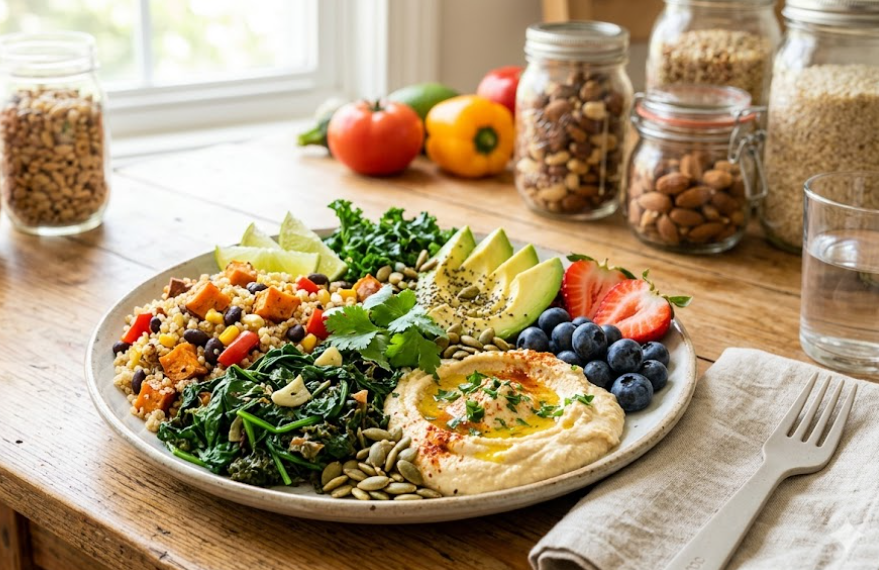
A plant-based diet is an eating style that focuses primarily on foods derived from plants. This does not just mean vegetables, but includes fruits, grains, nuts, seeds, and legumes (like beans and lentils). Note that “plant-based” is an umbrella term that can mean different things depending on the person applying it.
There are different types of plant-based eating, namely:
- Whole-Food, Plant-Based (WFPB): This is the healthiest version. It focuses on whole foods that are minimally processed. This means eating an apple instead of apple juice, or brown rice instead of white flour.
- Vegan: This is a strict version where you eat zero animal products, meaning no meat, poultry, fish, dairy, eggs, or even honey.
- Vegetarian: People on this diet avoid meat and fish but still eat dairy products (like milk and cheese) and eggs.
- Flexitarian: This is very popular among healthy eaters right now. It means you eat mostly plant-based food, but you still enjoy meat or dairy occasionally.
You can follow a plant-based diet without being a vegetarian or vegan. This is because eating plant-based foods is more about adding more plants to your diet, while a vegetarian or vegan excludes meat or animal products from their meals. So, as mentioned, plant-based eaters can still eat meat or dairy when they wish.
7 Proven Health Benefits of Switching to a Plant-Based Diet
If you’re considering switching to a plant-based diet or have done so, and need the motivation to continue, these seven proven health benefits are for you:
1. Better Heart Health Protection
When you eat more plants and fewer animals, your heart will stay strong longer. Research shows that plant-based diets can lower bad LDL cholesterol and reduce blood pressure. Because plants are naturally low in saturated fat and high in fibre, they help keep your arteries clear and functioning properly.
Quick Tip: Replace butter or lard with heart-healthy fats like olive oil, avocado, or nut butters to help keep your cholesterol levels in check.
2. Easier Weight Management
The good thing about a plant-based diet is that it is perfect for reaching your desired weight goal or maintaining it. This is mostly because whole plant foods, like vegetables, beans, and grains, are usually lower in calories but higher in volume and fibre. As a result, you can eat a satisfying amount of food while feeling full for longer, which naturally prevents overeating.
Quick Tip: Try the Half-Plate Rule. Fill half of your plate with non-starchy vegetables (like broccoli, peppers, or leafy greens) before adding anything else. This fills you up on nutrients without the extra calories.
3. Better Digestion and Gut Health
Plants are the only source of fibre, which is essential for a healthy digestive system. Fibre acts like a broom for your gut, keeping things moving regularly. More importantly, it feeds the good bacteria in your microbiome, which is linked to everything from better moods to a stronger immune system.
Quick Tip: Aim for variety by eating 20–30 different types of plants each week, including herbs, spices, nuts, and seeds. This will feed a wider range of healthy gut bacteria.
4. Increased Energy Levels
Another benefit of plant-based diets is that it does wonders for your energy levels. Unlike meat-heavy meals that leave you feeling sluggish afterwards, plant-based meals are easier for your body to digest. As such, you do not expend too much energy processing your food. Also, the complex carbohydrates in whole grains and legumes provide a steady, slow-release energy source rather than a quick sugar spike and crash.
Quick Tip: Swap refined white carbs for complex carbohydrates like oats, quinoa, or sweet potatoes. These will give you a steady stream of fuel so you don’t experience an afternoon energy crash.
5. Lower Risk of Type 2 Diabetes
Research has shown that eating plant-based meals can significantly lower your risk of developing type 2 diabetes. When you focus on high-fibre foods and reduce processed meats, you will improve your insulin sensitivity and help your body manage blood sugar levels more effectively.
Quick Tip: Build your meals around legumes, like beans, lentils, or chickpeas. They are high in fibre and protein, which helps slow down the absorption of sugar into your bloodstream.
6. Healthier, Glowing Skin
Have you heard the saying that what you eat shows up on your face? Well, it’s true! Plants are packed full of antioxidants and vitamins (like Vitamin C and E) that fight inflammation and protect skin cells from damage. Many people report clearer skin and a natural glow after cutting back on dairy and processed foods in favour of colourful fruits and vegetables.
Quick Tip: Focus on vibrantly coloured produce like carrots, berries, and spinach. The pigments that give them colour are the same antioxidants that protect your skin from the inside out.
7. Better Brain Health and Longevity
People in Blue Zones—areas of the world where people live the longest—usually eat diets that are 90-95% plant-based. Beyond just living longer, plant-rich diets are also linked to better cognitive function as you age. A plant-based diet will help you keep your mind sharp and reduce the risk of age-related memory issues.
Quick Tip: Add a handful of walnuts or a spoonful of chia seeds to your breakfast. Walnuts and chia seeds are high in Omega-3 fatty acids, which are essential for maintaining focus and long-term brain health.
Final Thoughts
Switching to a plant-based diet will not happen overnight. You might even struggle when you start, but stay the course. Start by making small changes to your meals, like having meatless days or mealtimes. Fill your plate more with vegetables, fruits, grains, and legumes, and enjoy the journey. The more you eat plant-based meals, the more transformation your health will experience, so start, one bite at a time.